Insured crews · Free roof inspections · Written estimates
(214) 919-3726Storm & Hail Damage Roof Repair in Carrollton
Post-event assessment and documented repair for homes and buildings from I-35E across to the Dallas North Tollway.
What North Texas Hail Actually Does to a Carrollton Roof
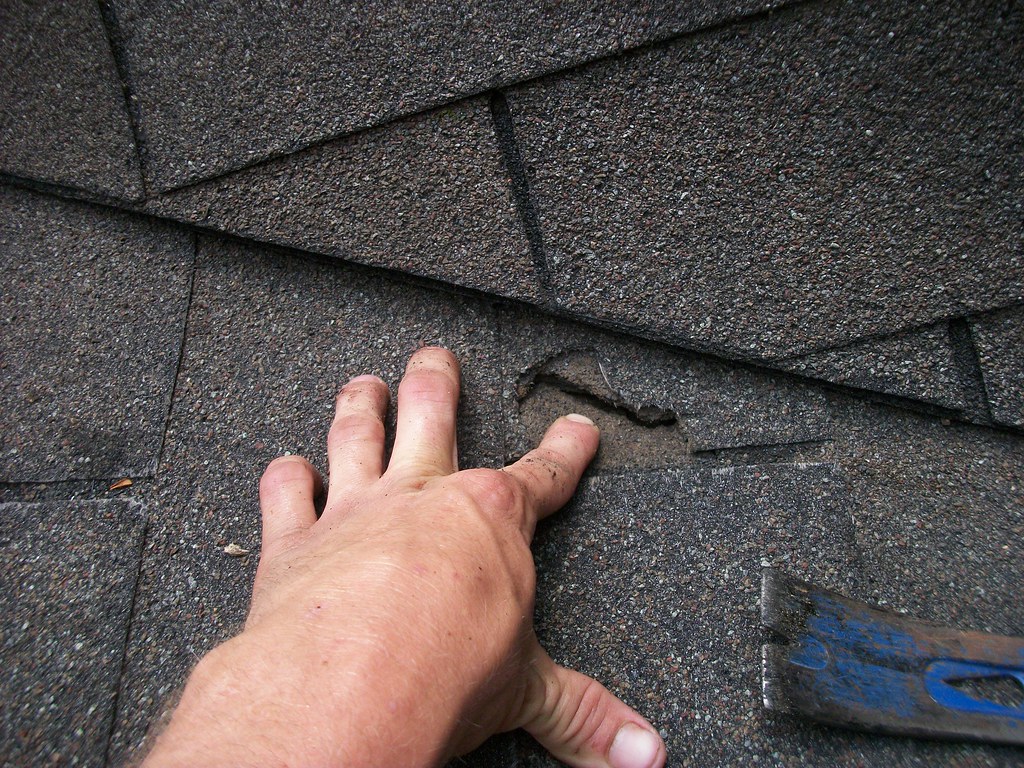
Hail damage is the defining roofing problem of this region, and it is also the one homeowners are least equipped to judge, because the evidence sits on a surface they cannot see. A storm crosses Carrollton, the street fills with door-knockers by the weekend, and a homeowner is asked to make a significant decision based on someone else's account of what is on their own roof. Carrollton Texas Roofing handles storm work by removing that asymmetry. We chalk test squares on each slope, count and mark the impacts within them, photograph the bruising, the fractured mats and the granule displacement, and check the soft metals, the vents and the gutters, which frequently show the storm's severity more plainly than the shingles do. What you receive is a documented record of your roof's post-storm condition. Whether that record supports a claim, justifies a targeted repair, or shows that your roof came through intact, it is yours, and it was produced by someone who was actually up there.
What a Storm Assessment and Repair Covers
The assessment follows the same method an adjuster uses, so our documentation and theirs describe the same roof.
Chalked test squares on every slope
We mark a measured square on each elevation and count impacts inside it, which is the standard method an adjuster uses. Doing it the same way means our documentation and theirs describe the same roof.Impact identification and marking
Genuine hail bruising is distinguished from blistering, mechanical damage and manufacturing defects, then circled and photographed. Not every mark on a roof is hail, and calling it hail when it is not helps nobody.Soft-metal inspection
Gutters, downspouts, vents, valley metal, turbines and air-conditioning fins are checked for dents, because soft metals record a storm's intensity with far less ambiguity than an asphalt shingle does.Wind damage assessment
Creased tabs, broken seal strips and missing shingles from a straight-line wind event are documented separately from hail, since they are different failure modes with different repair paths.Interior and attic check where relevant
Where water has already entered, we inspect the attic side for wet insulation, staining on the sheathing and daylight at penetrations, which locates the entry point precisely.Full photographic record with a written scope
Every finding is photographed and compiled with a written description of the damage and the recommended correction. You keep it regardless of what you decide.Emergency tarping and temporary dry-in
If the storm opened the roof, we secure it immediately so interior damage stops while the permanent repair is scheduled.Targeted slope repair where the damage is localised
Frequently a single elevation takes the hit while the rest of the roof is untouched. Repairing that slope is the correct and far cheaper answer, and we will say so.Full replacement where the damage is genuinely widespread
When impacts are distributed across every elevation and the mats are fractured, the system is compromised and replacement is the right call. The photographs will make that obvious to you as well.On-site meeting with your adjuster
We will walk the roof with your insurer's adjuster, show them the marked test squares and share our documentation, so both parties are looking at the same evidence.How Storm Work Proceeds After an Event
The free post-storm assessment
Call after a storm and we schedule an assessment. We climb the roof, chalk and count, check the soft metals and photograph everything. The visit usually runs under an hour, and it ends with you holding a documented picture of your roof's condition rather than a sales pitch delivered from the front step.
You decide what to do with the documentation
If the damage is minor or absent, the report says so and nothing further happens. If it supports an insurance claim, you file it with your carrier and we provide the photographs and written scope your adjuster will ask for. If you would rather pay for a repair directly and leave your policy alone, which many homeowners sensibly prefer for smaller work, we price it that way.
The repair or replacement, documented again
Approved work is scheduled around the weather. Storm season compresses everyone's calendar, so we give you a realistic date rather than an optimistic one. The finished work is photographed, the property is cleared and magnet-swept, and your workmanship warranty is issued in writing with the completion paperwork.
Why Storm Work Should Go to a Local Contractor
We are here after the season ends
Storm-chasing crews arrive in volume after a Carrollton hail event and are working another state by autumn, which is a problem when a warranty question surfaces the following spring. Our crews work this area as their regular territory year-round, and the phone number on your paperwork will still reach us.
We operate inside the Texas rules, and we are explicit about it
We document damage and we meet your adjuster on the roof. We do not negotiate your claim, we do not act as your public adjuster, and we will never offer to absorb, discount or waive your deductible. Those practices are restricted in Texas for good reason, and a contractor who offers them in your driveway has told you everything you need to know.
A finding of no damage is a legitimate outcome
Sometimes a roof simply came through the storm. We report that as readily as we report damage, because filing a weak claim can affect your premium and your renewal for no benefit. Being told your roof is fine is a useful result, and it costs you nothing to get it.
Find Out What the Storm Actually Did
The only way to know whether that hail event reached your roof is for somebody to get on it and look properly. We will do that at no charge, mark it out the way an adjuster would, and give you the photographs. What you do next is entirely your decision.
(214) 919-3726
Carrollton Texas Roofing
Roofing contractor serving Carrollton and the surrounding Denton County communities. Replacement, repair, hail damage and commercial low-slope work, handled by insured local crews. Every inspection ends with photographs and a written assessment you keep.
(214) 919-3726Services
Service Areas
Quick Links
© 2026 Carrollton Texas Roofing. All rights reserved.